Office flowers servicing Montpelier Vale and Blackheath Common
Posted on 12/10/2026
If you manage a workspace near Montpelier Vale or Blackheath Common, you already know the room can change in an instant. One week it feels bright and welcoming; the next, it looks a bit tired around the edges. That is where office flowers servicing Montpelier Vale and Blackheath Common makes a real difference. Not just a vase on a desk, but a considered service that keeps reception areas, meeting rooms, and shared spaces looking fresh, polished, and cared for.
In a busy office, flowers do more than decorate. They soften hard lines, lift the mood on grey London mornings, and create a proper first impression for clients, visitors, and staff alike. This guide breaks down what the service involves, how it works, who it suits, and how to get the best results without wasting time or money. Truth be told, the details matter more than people expect.
Why Office flowers servicing Montpelier Vale and Blackheath Common Matters
Let's face it: people notice the feel of a space before they notice the brochure stand or the framed certificates. Flowers are one of those rare finishing touches that work quietly in the background. They do not shout. They simply make the office feel more composed, more human, and a bit more welcoming.
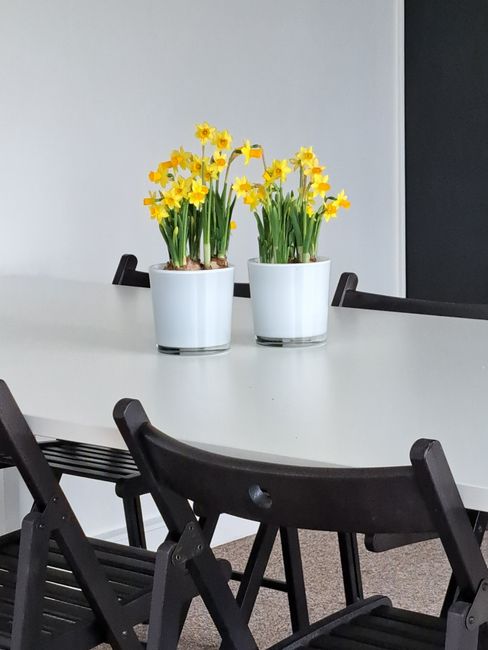
In Montpelier Vale and around Blackheath Common, many businesses operate in attractive but varied settings: period properties, small professional suites, creative studios, health and wellbeing practices, and client-facing offices that need to look sharp every day. Fresh office flowers fit that kind of environment well because they can be scaled up or down. A slim arrangement in reception, a low table design in a meeting room, or seasonal flowers in a collaborative space can all shift the tone without making things feel fussy.
There is also a practical side. Regular flower servicing helps avoid the familiar problem of arrangements going limp halfway through the week. Nobody wants a reception desk with cloudy water and drooping stems by Thursday afternoon. With a proper service, the flowers are chosen for longevity, refreshed on schedule, and presented in a way that suits your brand. It's subtle, but it adds up.
Expert summary: office flowers are not just decorative. In a professional setting, they support first impressions, staff morale, and the overall sense that a business pays attention to detail.
How Office flowers servicing Montpelier Vale and Blackheath Common Works
The service is usually straightforward, which is part of the appeal. You choose a frequency, define the style, and agree on delivery and maintenance. From there, the florist or service provider handles the sourcing, arranging, and replacement cycle. In many cases, the arrangement is delivered in a vase or container that suits the office, so your team does not have to worry about cutting stems or rearranging anything.
A good service usually begins with a brief consultation. This is where practical things are worked out: the size of the space, how much light the room gets, the kind of impression you want to create, and whether anyone in the office is sensitive to strong scent or pollen-heavy flowers. That last point gets overlooked more often than it should. A dramatic lily arrangement may look lovely, but it is not ideal in every workplace.
Once the style is agreed, flowers are selected to balance beauty with durability. Seasonal blooms, textural greenery, and structural stems are often used to keep arrangements looking fresh for longer. Some offices prefer a consistent look every week; others want subtle seasonal changes. Both approaches work. It depends on the mood you want to create.
Delivery schedules are usually set to suit the working week. Monday mornings are popular because the office starts the week looking refreshed. Some businesses prefer a midweek change, especially if they entertain clients or host internal meetings later in the week. Small detail, yes, but it changes the experience.
To keep things running smoothly, service providers often offer:
- regular delivery on a weekly, fortnightly, or monthly basis
- vase hire or container selection
- seasonal design updates
- replacement of tired flowers where agreed
- advice on placement, care, and longevity
The best services feel easy. You should not have to manage them constantly. If you do, something is off.
Key Benefits and Practical Advantages
Office flowers provide more than visual appeal. The practical advantages are why many businesses keep them on a recurring schedule rather than buying a random arrangement now and then.
| Benefit | What it means in practice | Why it matters |
|---|---|---|
| Better first impressions | Reception and meeting spaces look cared for and professional | Clients and visitors notice before a word is spoken |
| Consistent freshness | Flowers are replaced or refreshed before they look tired | Keeps the office polished throughout the week |
| Less admin for staff | No one has to remember to buy, water, or rearrange blooms | Saves time and avoids awkward gaps in presentation |
| Brand alignment | Colours and styles can reflect your business tone | Supports a more coherent visual identity |
| Seasonal interest | Designs can shift with the time of year | Keeps the space feeling current rather than static |
There is also the softer side of the benefit. People tend to relax a little when a room feels looked after. It is not magic, obviously, but it is real. A fresh arrangement beside a laptop pile or near the coffee point changes the mood of a Monday morning. You can almost hear the room exhale.
For client-facing businesses, flowers can support trust. That sounds a bit grand, but it is true. A tidy, thoughtfully arranged space suggests the same care extends elsewhere. In professional services especially, those quiet signals matter.
Who This Is For and When It Makes Sense
Not every office needs flowers every week, but many benefit from them more than they realise. The service makes sense when presentation matters and when the space is used by visitors, clients, or staff who spend a lot of time in it.
Common users include:
- law firms and accountancy practices
- design studios and creative agencies
- estate agents and property offices
- consulting teams and co-working spaces
- health, beauty, and wellness practices
- hospitality offices and front-of-house businesses
It also works well for offices that host regular meetings or interviews. If you are welcoming new clients into a room where the air feels stale and the table looks bare, the atmosphere is never quite as good as it could be. Flowers help bridge that gap.
When does it make sense to start? Usually when the office has one of these needs:
- a reception area that feels a bit flat
- a desire to refresh the brand image without a full redesign
- staff morale that could use a lift
- regular entertaining or client visits
- seasonal events, launches, or office celebrations
Some businesses begin with a single arrangement and move to a recurring service once they see the effect. That is a sensible route. No need to overcomplicate it. Start small, see how the space responds, then build from there.
Step-by-Step Guidance
If you are setting up office flowers for the first time, the process is simpler than it may seem. Here is a practical way to approach it.
- Assess the space. Look at reception, boardroom, breakout areas, and any spaces where people pause. Note the light levels, room size, and existing colours.
- Decide the purpose. Are you aiming for a warm welcome, a more premium look, or a subtle lift for staff? The answer changes the style.
- Choose a service frequency. Weekly works for high-traffic offices. Fortnightly may suit smaller teams or lower-use spaces.
- Set a budget range. Be realistic. A modest but consistent arrangement often works better than an occasional showpiece.
- Select the style direction. Clean and modern, seasonal and relaxed, classic and formal, or bold and colourful. There is no single right answer.
- Check practical constraints. Scent sensitivity, access for delivery, vase storage, and table space all matter.
- Agree the maintenance plan. Who refreshes water? Who replaces spent flowers? Is the container reusable?
- Review after the first few deliveries. If something feels too tall, too fragrant, or too busy, adjust early.
That last step is important. Office flowers are not static decor. They should respond to the space. A good setup feels almost obvious once it is right.
Expert Tips for Better Results
If you want the arrangements to look good for longer, a few small decisions make a surprisingly large difference.
Pick the right flowers for the environment
Warm offices, direct sunlight, and drafty entrances all affect vase life. Durable stems such as alstroemeria, carnations, chrysanthemums, and mixed seasonal greens often perform well in working environments. They hold up better under everyday office conditions, which is useful when people are in and out all day.
Use containers that suit the room
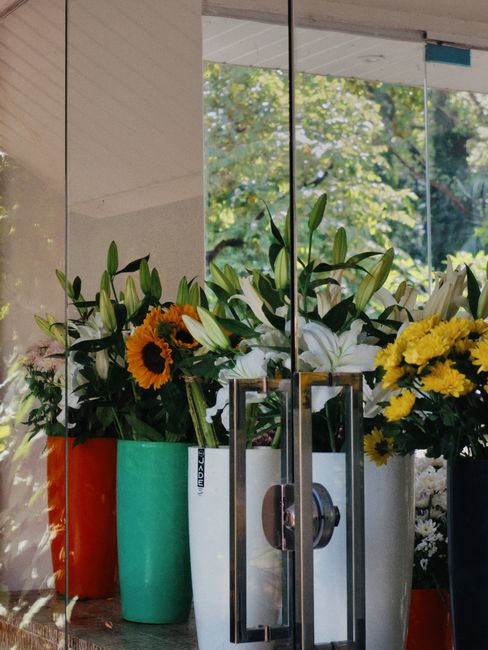
The vase matters more than people think. In a sleek modern office, a simple glass or ceramic container can feel right. In a more traditional Blackheath setting, a softer or more textured vessel may sit better with the interior. It should feel intentional, not like an afterthought.
Match scale to the room
A tiny arrangement in a large reception area can look lost. On the other hand, a giant display in a narrow hallway can make the space feel crowded. The arrangement should breathe with the room. That sounds poetic, but it is really about proportion.
Keep fragrance in mind
Strong perfume can be lovely in the right setting and a nuisance in the wrong one. Meeting rooms, shared desks, and compact offices often work better with lighter-scented options. This is one of those areas where restraint is usually smarter.
Seasonal updates keep things interesting
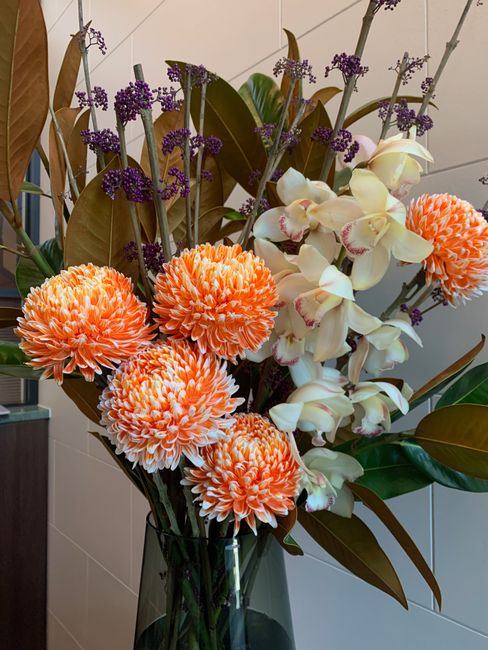
Subtle changes through the year stop the office from becoming visually stale. Think soft spring tones, fuller summer arrangements, richer autumn palettes, and cleaner winter styling. Nothing too theatrical. Just enough to keep the space alive.
Here's a useful rule of thumb: if people keep glancing at the flowers, they are probably working well. If they stop noticing them completely, they may be fading into the background-or perhaps the arrangement is simply too safe. There's a balance.
Common Mistakes to Avoid
Even well-meaning offices get this wrong sometimes. Usually it is not dramatic, just a series of small mismatches that make the service less effective than it could be.
- Choosing style over practicality. A dramatic design that collapses in three days is not good value.
- Ignoring scent or allergy concerns. This can make staff uncomfortable and clients distracted.
- Picking arrangements that are too small for the room. They disappear visually and feel underwhelming.
- Leaving placement to chance. Flowers near radiators, heaters, or direct sun tend to fade faster.
- Forgetting who will maintain them. Even low-maintenance flowers need some care.
- Not reviewing after the first delivery. Small adjustments early save frustration later.
A very common issue is overbuying for a one-off event and then letting the office settle back into plainness for months. That can make the whole space feel inconsistent. Better to choose a simple recurring service than a random burst of effort. Steady wins here.
Tools, Resources and Recommendations
You do not need a complicated setup to make office flowers work. In practice, the best support is a short list of sensible tools and a clear routine.
- Vases or containers: keep a few sizes available for different rooms and stem lengths
- Watering jug: simple, but handy for quick refreshes
- Clean cloths: for wiping spills and keeping presentation neat
- Delivery notes: useful for reception teams or building access instructions
- Flower care guidance: a basic care sheet helps staff look after arrangements between visits
For businesses that want a more structured solution, recurring arrangements and subscription-style services can be useful. If you want longer-term consistency, a short flower subscription or a six-month arrangement plan can make budgeting easier and remove the monthly decision fatigue. For some offices, that is half the battle.
It can also help to explore styles that fit your internal brand. A classic palette, something more modern, or a seasonal mix all create different moods. If you are unsure, a florist choice arrangement is often a sensible starting point because it lets the design team work with what looks freshest and most balanced that week.
For care between deliveries, the site's flower care guidance is a useful reference. It is the kind of practical help that saves arrangements from looking tired too soon. Simple, but effective.
Law, Compliance, Standards, or Best Practice
For office flowers, compliance is usually more about good workplace practice than heavy regulation. Still, there are a few points worth keeping in mind, especially in a shared commercial environment.
First, think about accessibility and shared comfort. If flowers block walkways, obstruct signage, or create awkward access in a reception area, they are no longer helping. They should support the room, not get in the way of it.
Second, be considerate about allergies and sensitivities. There is no need to guess which blooms might suit everyone. Lighter-scented options, non-pollen-heavy stems, and well-placed arrangements usually reduce risk and discomfort.
Third, if flowers are delivered into a managed building, follow building access instructions carefully. That is less about formal law and more about keeping things smooth for everyone involved. Late deliveries and missed security steps are the kind of thing that cause avoidable friction.
Finally, choose suppliers who are clear about policies, service terms, and delivery expectations. Pages such as delivery information, returns and refund guidance, and terms and conditions are worth reviewing if you are setting up repeat service. It is the boring stuff, maybe, but it protects both sides and prevents awkward misunderstandings later.
Businesses that want to keep presentation and process aligned may also benefit from a dedicated account approach. The corporate accounts page is relevant for offices that need a more structured relationship, especially where ordering, billing, and repeat delivery need to be tidy.
Options, Methods, or Comparison Table
Different offices need different setups. Here is a simple comparison to help you decide what works best.
| Approach | Best for | Pros | Trade-offs |
|---|---|---|---|
| One-off arrangement | Events, meetings, launches | Simple, flexible, useful for occasional impact | Does not keep the office consistently fresh |
| Weekly servicing | Busy reception areas and client-facing spaces | Always looks current, easy to maintain a polished image | Requires a regular budget |
| Fortnightly servicing | Smaller offices or moderate footfall | Good balance of cost and freshness | May need more careful flower selection |
| Seasonal updates | Businesses that want a changing look through the year | Feels lively and considered | Less consistent than a fixed weekly format |
| Subscription-style service | Offices wanting predictability and less admin | Easy to plan and budget | Less ad hoc flexibility once set |
There is no universally best method. A small office with one reception table may only need a fortnightly refresh. A larger client-facing business, though, might need weekly styling to avoid that slowly wilting look nobody enjoys. You know the one.
Case Study or Real-World Example
Here is a realistic example from the kind of office you might see around Blackheath. A professional services team had a reception area that looked tidy enough, but it felt bare by the end of each week. Visitors were arriving into a space with a polished floor, a strong coffee smell, and not much else. Efficient? Yes. Warm? Not really.
They started with a modest flower service: one arrangement for reception and a smaller piece for the meeting room. The flowers were chosen for structure and longevity rather than drama, with soft whites, green foliage, and a touch of seasonal colour. Nothing showy. Just clean, balanced, and welcoming.
Within a couple of weeks, staff noticed the room felt less like a waiting area and more like part of the business. Clients paused at the flowers, which gave reception a natural conversation point. The team later added a second arrangement for a smaller conference space used on busy days. No major redesign. No big spend. Just a more thoughtful atmosphere.
The lesson is simple: office flowers do not need to be extravagant to work. They need to fit the room, the rhythm of the business, and the people who use the space.
Practical Checklist
Use this checklist before you set up or renew an office flower service in Montpelier Vale or Blackheath Common:
- Have you identified the most visible spaces in the office?
- Do you know whether scent or pollen sensitivity is a concern?
- Have you chosen a delivery frequency that matches traffic levels?
- Is the arrangement size appropriate for the room?
- Do you need a recurring service or a one-off display?
- Have you checked access instructions for deliveries?
- Is there a clear plan for water top-ups or replacements?
- Have you selected colours that suit the office interior and brand?
- Do you know what to do if an arrangement is damaged or delayed?
- Have you reviewed delivery, refund, and terms information?
If you can tick most of those off, you are probably in good shape. If not, no problem. Better to sort it now than discover the issues when the flowers are already on the desk and the room looks half-finished.
Conclusion
Office flowers servicing Montpelier Vale and Blackheath Common is a small service with an outsized effect. It improves how an office looks, how it feels, and how people respond when they walk through the door. Done well, it brings warmth without clutter, polish without stiffness, and consistency without becoming dull.
The key is not to treat flowers as an afterthought. Think about the room, the people using it, and the impression you want to leave. Then choose a service that respects those details and keeps things simple for your team. That is usually where the best results come from.
And if you are still deciding whether it is worth it, ask yourself this: what does your office say in the first five seconds, before anyone speaks? Flowers can help you answer that in the right way. Quietly, but clearly.
Get a free quote today and see how much you can save.
Frequently Asked Questions
What does office flowers servicing Montpelier Vale and Blackheath Common usually include?
It usually includes design, delivery, installation, and on a recurring schedule, replacement or refresh of the arrangement. Some services also include vase hire, seasonal updates, and care guidance.
How often should office flowers be changed?
For busy client-facing offices, weekly changes are common. Smaller or lower-traffic spaces may do well with fortnightly servicing. The right schedule depends on heat, light, and how much visual impact you want.
Are flowers suitable for reception areas?
Yes, reception is one of the best places for flowers. It is where visitors form their first impression, so a well-chosen arrangement can make the space feel immediately more welcoming.
What flowers last longest in an office environment?
Hardy options such as carnations, alstroemeria, chrysanthemums, and mixed seasonal greenery often last well. The best choice also depends on light levels, temperature, and how much care the arrangement will receive.
Can office flowers be tailored to a brand or colour palette?
Absolutely. Many offices choose flowers that reflect their brand colours, interior design, or the tone of the business. This can help the space feel more coherent and considered.
Do office flowers need special maintenance?
They do not need much, but they do need basic care. Fresh water, a cool placement, and occasional tidying make a real difference. A proper service reduces the maintenance burden considerably.
What if someone in the office has allergies?
That is worth discussing at the start. A good florist can suggest lower-fragrance or lower-pollen options, and the arrangements can be placed away from desks or enclosed meeting areas.
Is a recurring office flower service better than buying flowers ad hoc?
Usually, yes, if appearance matters regularly. Recurring service gives you consistency, less admin, and better control over style and budget. Ad hoc buying is fine for occasional events, but less reliable for day-to-day presentation.
How do I choose the right arrangement size?
Think about the room size and where the flowers will be seen from. A reception desk needs different scale from a meeting table. If in doubt, start slightly smaller and review how it reads in the space.
Can office flowers help with staff morale?
They can. It is not a miracle cure for a busy workload, obviously, but a tidy, attractive workspace often feels calmer and more cared for. That tends to matter more than people admit.
What should I check before setting up a flower service?
Check delivery access, room size, scent sensitivity, care expectations, and whether the service is one-off or recurring. A quick review of terms and delivery information also helps avoid unnecessary surprises later.
Are office flowers only for large companies?
No, not at all. Small businesses often benefit just as much, sometimes more. A compact office with one reception area can gain a lot from a single well-placed arrangement.
Can I use seasonal flowers for a more natural look?
Yes, and many offices do. Seasonal flowers often feel fresher and more in tune with the time of year. They can also be a practical choice if you want variety without overcomplicating the design.
What is the easiest way to get started?
Start with one key space, usually reception or the main meeting room. Choose a simple arrangement, see how it feels for a few weeks, then decide whether to build to a recurring service. That keeps the process calm and sensible.
Sometimes the smallest details create the strongest sense of care. A good office flower service does exactly that, and it often does it quietly, which is rather nice.


